

Key Takeaways
Energy efficiency rebates and incentives reduce upfront project costs while helping businesses meet sustainability goals and regulatory requirements. These programs, offered by utilities, states, and local agencies, can significantly improve ROI when properly identified and managed.
What types of energy efficiency incentives are available, and how do they benefit your business?
- Utility rebates lower upfront costs for lighting, HVAC, and equipment upgrades.
- Demand response and TOU rates reduce ongoing energy expenses.
- Renewable incentives improve project payback and long-term savings.
- Energy audits identify high-impact upgrade opportunities.
- Financing programs eliminate the need for large upfront capital requirements.
What Are Energy Efficiency Rebates and Incentives?
Energy efficiency rebates and incentives are financial programs offered by utilities, municipalities, and energy organizations to reduce the cost of upgrading to more efficient systems. These programs accelerate the adoption of energy-saving technologies while helping businesses lower operating expenses and meet sustainability targets.
Why Do Energy Efficiency Incentives Matter for Commercial and Industrial (C&I) Businesses?
Energy efficiency incentives matter because they directly reduce capital costs, shorten payback periods, and improve project ROI for Commercial and Industrial (C&I) organizations. As energy regulations evolve and performance standards increase, these programs also help businesses stay compliant while modernizing infrastructure.
What Are the Most Common Types of Energy Efficiency Incentives?
Energy Efficiency Rebates
Energy efficiency rebates are the most widely available incentives, typically offered by utility companies for upgrades such as LED lighting, HVAC systems, insulation, windows, and controls. These rebates reduce initial project costs and often cover a significant portion of equipment and installation expenses.
Demand Response Programs
Demand response programs offer financial incentives to reduce electricity use during peak demand periods. By temporarily lowering consumption, businesses can earn payments or avoid peak energy charges while supporting grid stability.
Time-Of-Use (TOU) Rates
Time-of-Use (TOU) rates adjust electricity pricing based on demand throughout the day. Businesses can reduce energy costs by shifting operations to off-peak hours, making these programs a strategic complement to energy efficiency upgrades.
Renewable Energy Incentives
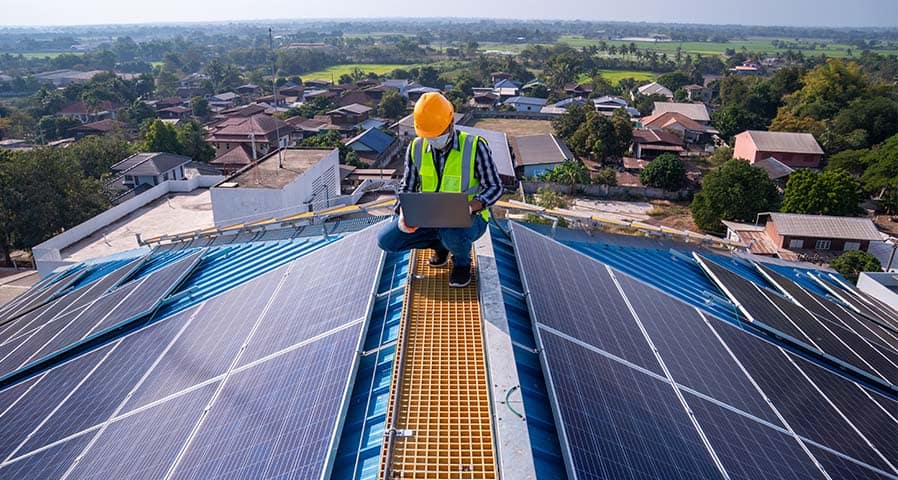
Renewable energy incentives include tax credits, grants, rebates, and net metering programs for systems such as solar and wind. These incentives improve financial feasibility, accelerate the transition to clean energy, and reduce long-term utility costs.
Energy Audits and Assessments
Energy audits and assessments identify inefficiencies across facilities and provide a roadmap for improvements. Many utilities subsidize or fully cover these assessments, allowing businesses to uncover savings opportunities with minimal investment.
Maximize Savings on Your Energy Efficiency Projects
Rebates and incentives can significantly increase your return on investment when managed properly. From identifying eligible projects to navigating program requirements, a structured approach helps ensure you capture the full value of available incentives.
Review Our Process to see how Incentive Rebate360 helps organizations uncover opportunities, manage submissions, and maximize rebate recovery for energy efficiency projects.
When you’re ready, schedule a call with our rebate experts to discuss your upcoming projects and how rebates and incentives can help enhance your overall savings.
👉 Review Our Rebate Recovery Process
👉 Schedule a Call with Our Rebate Experts
Financing Options for Energy Efficiency Projects
Financing programs such as low-interest loans, Property Assessed Clean Energy (PACE), and on-bill financing allow businesses to complete upgrades without significant upfront capital. These options align project costs with energy savings, improving cash flow and project viability.
Energy Efficiency Incentives Comparison
| Incentive Type | What It Covers | How You Save Money | Best For | Business Impact |
| Utility Rebates | LED lighting, HVAC, controls, upgrades | Reduces upfront project cost | Immediate upgrades | Faster payback, lower capital spend |
| Demand Response | Peak energy usage reduction | Payments or avoided peak charges | Large energy users | Ongoing operational savings |
| Time-Of-Use (TOU) Rates | Energy usage by time of day | Lower rates during off-peak hours | Flexible operations | Strategic cost control |
| Renewable Incentives | Solar, wind, clean energy systems | Tax credits, rebates, net metering | Long-term investments | Major long-term cost reduction |
| Energy Audits | Facility energy assessments | Identifies inefficiencies | First-time upgrades | Smarter investment decisions |
| Financing Options | Project funding (PACE, loans, on-bill) | Spreads cost over time | Budget-constrained projects | Enables projects without upfront capital |
How Do Energy Efficiency Incentives Improve ROI?
Energy efficiency incentives improve ROI by lowering upfront costs, reducing energy consumption, and accelerating payback periods. When combined, such as rebates plus financing or demand response participation, these programs can transform large capital projects into cash-flow-positive investments.
How Can Businesses Maximize Energy Efficiency Incentives?
Businesses can maximize incentives by identifying all available programs across utilities and jurisdictions, ensuring equipment eligibility (such as DLC-qualified lighting), and managing application timelines and compliance requirements. Strategic planning across multi-site portfolios often unlocks additional savings through program stacking.
Partnering with a rebate management expert, like Incentive Rebate360, helps find new rebates and streamline the application process.
Frequently Asked Questions
What Is the Difference Between Rebates and Incentives?
Rebates are typically direct financial returns after a project is completed, while incentives include a broader range of financial benefits such as tax credits, grants, and reduced energy rates.
Who Provides Energy Efficiency Incentives?
Energy efficiency incentives are primarily provided by utility companies, state and local governments, and energy program administrators.
Can Incentives Be Combined?
Yes, many programs can be combined or “stacked,” depending on eligibility requirements and program rules.
Are Energy Audits Required to Qualify for Incentives?
In some cases, yes. Certain programs require an audit to verify savings potential before approval.
Conclusion
Energy efficiency rebates and incentives play a critical role in making sustainability projects financially viable for Commercial and Industrial (C&I) businesses. From utility rebates and demand response programs to renewable incentives and flexible financing, these programs reduce costs, improve ROI, and accelerate energy savings.
Maximize your savings with Incentive Rebate360 by leveraging expert incentive management services that identify, secure, and optimize rebates across your entire portfolio. Contact Incentive Rebate360 at 480-653-8180 or [email protected] to start capturing available incentives and improving the financial performance of your energy efficiency projects.



0 Comments