
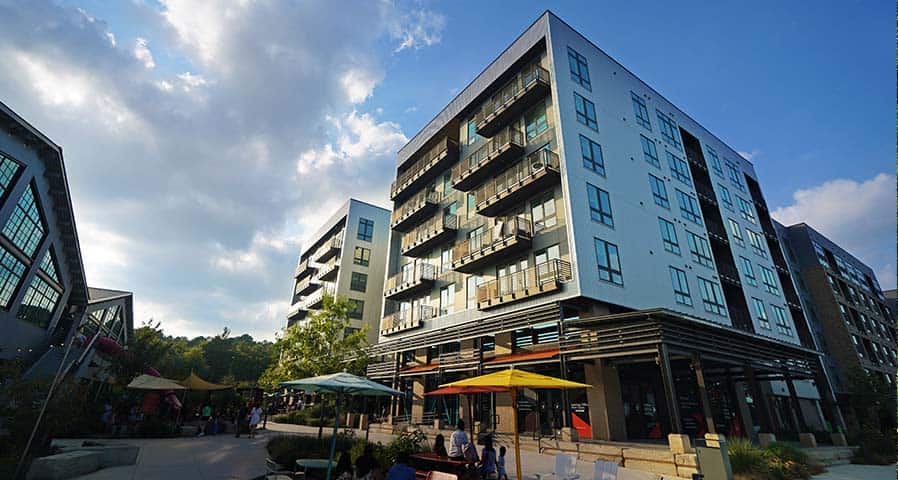
Multifamily and mixed-use developments (MUDs) occupy a unique position in the built environment. They include multiple dwelling units, shared spaces, and often commercial tenants, which means their energy use patterns resemble both residential and commercial buildings. Because of this hybrid nature, many multifamily properties qualify for commercial rebates rather than (or in addition to) standard residential incentives. For property owners, landlords, and asset managers, understanding how to navigate these programs can unlock substantial financial savings.
Commercial rebates for MUD properties can significantly reduce project costs, accelerate ROI, and support long-term energy performance improvements. This guide outlines how multifamily classifications work, what types of rebates are available, program examples, and how to maximize incentive value.
What Is a Multifamily / MUD Property and Why Are Commercial Rebates Important?
A multifamily property includes any building with multiple residential units under one roof, such as apartments, student housing, or senior living. A mixed-use development (MUD) incorporates commercial functions, like retail, office, or dining, within the same building or property.
Utilities often treat these properties as a hybrid category because they:
- Contain residential living units
- Rely on central systems typical of commercial buildings
- Operate with commercial load profiles
- Have shared infrastructure across multiple units
Commercial rebates are particularly valuable because they typically offer larger financial incentives for larger, more complex equipment. These rebates help offset the costs of whole-building improvements, like central HVAC, domestic hot water systems, envelope upgrades, and lighting for common areas or exteriors.
Navigating utility rebates doesn’t have to be complicated. Learn how our proven rebate recovery process helps multifamily and MUD property owners maximize incentives for energy-efficiency upgrades. Then schedule a call with our rebate experts to discuss your properties.
Commercial vs. Residential vs. Hybrid (MUD) Rebates
Residential Rebates
Apply mostly to in-unit, tenant-side improvements such as LEDs, smart thermostats, showerheads, and small HVAC replacements. These incentives are usually fixed, low-dollar amounts.
Commercial Rebates
Designed for central and shared building systems, including:
- Boilers, heat pumps, and large HVAC systems
- Central water heating equipment
- Exterior and common-area lighting
- Building controls and automation
- Envelope enhancements
Commercial incentives tend to be higher-value and may require meeting efficiency thresholds, engineering calculations, or pre-approval.
Hybrid or MUD Rebates
Many utilities offer MUD-specific programs recognizing the dual-use nature of these properties. These programs often allow:
• Commercial incentives for building-wide systems
• Residential incentives for in-unit measures
• Streamlined applications so owners can capture both sets of incentives
Examples include multifamily-focused catalogs, prescriptive and custom rebate pathways, and performance-based incentives.
Common Types of Multifamily / MUD Rebates
Across utilities, multifamily and mixed-use buildings typically qualify for the following categories of incentives:
Lighting and Controls
Rebates for:
- Interior LED fixtures and retrofit kits
- Exterior and parking lot lighting
- LED tubes and pin-based lamps
- High bay and low bay fixtures
- Occupancy sensors
- Daylight harvesting sensors
Many utilities also offer enhanced incentives for DLC 5.1-certified fixtures or advanced lighting controls.
HVAC and Heat Pumps
Central system rebates are often the largest due to high energy savings potential. These include:
- High-efficiency split systems
- Packaged rooftop units
- Air-source heat pumps
- PTAC/PTHP replacements
- Boiler upgrades
Prescriptive tables outline minimum efficiency levels, while custom paths allow complex retrofits to qualify based on energy savings.
Water Heating and Hot Water Systems
Common incentives include:
- High-efficiency central water heaters
- Heat pump water heating
- Hot water circulation controls
- Pipe insulation upgrades
Multifamily buildings with large domestic hot water loads benefit significantly from these rebates.
Envelope and Insulation
Utilities may offer incentives for:
- Attic and wall insulation
- Air sealing
- Window replacements
- Exterior door upgrades
These measures improve whole-building performance and reduce heating and cooling demand.
Whole-Building or Performance Path Rebates
Some programs award incentives based on modeled savings, points systems, or energy reduction targets. These programs often allow stacking multiple measures within a single retrofit, enabling deep energy savings.
Tenant-Side vs. Common Area Measures
Residential incentives often apply inside units (LED bulbs, faucet aerators, thermostats), while commercial incentives apply to shared spaces like corridors, stairwells, parking garages, mechanical rooms, and building-wide systems.
Utility rebates vary widely by location, property type, and project scope. Explore our educational resources to better understand how commercial rebates work for multifamily and MUD properties, then schedule a call with our experts to discuss your rebate recovery opportunities.
Case Studies and Program Examples
DC Sustainable Energy Utility (DC SEU)
DC SEU offers comprehensive rebates for lighting and controls well-suited to MUD and multifamily properties, including:
- Rebates for LED pin and screw-in lamps
- High and low bay fixtures
- Exterior LED luminaires
- Occupancy and daylight sensors
These are especially useful for upgrading parking lots, garages, stairwells, and common corridors.
DTE Multifamily Market-Rate Program
DTE provides a dedicated multifamily incentive structure, including:
- Prescriptive rebates for lighting, HVAC, water heating, and appliances
- Custom rebates for non-standard or engineered solutions
- Annual caps up to $50,000 per property
- Rebate coverage up to 100 percent of project cost for prescriptive items
The program also requires unit-by-unit or building-by-building tally sheets, making documentation essential.
NY Affordable Multifamily Programs (AMEEP and AMP UP)
The previous Affordable Multifamily Energy Efficiency Program (AMEEP) provided:
- Up to $1,200 per unit for comprehensive measures
- Free in-unit installations of LEDs, thermostats, and water-saving devices
The new AMP UP program continues the commitment to support electrification and upgrades in affordable multifamily buildings through whole-building performance pathways.
Focus on Energy (Wisconsin) Multifamily Offerings
This program is known for its broad mix of prescriptive and custom incentives, including:
- HVAC systems, boilers, and chiller upgrades
- Hot water heating equipment
- Interior and exterior lighting
- Envelope improvements and VFDs
- Ventilation and advanced control measures
Mixed-use and multifamily buildings may qualify for both common-area and in-unit incentives.
Best Practices for Maximizing Multifamily Commercial Rebates
Engage Early in the Planning Process
Many commercial and MUD programs require pre-approval before equipment is purchased or installed, which makes early engagement essential. Beginning the rebate process during design ensures maximum eligibility, proper documentation, accurate energy savings calculations, and reserved rebate funding before program dollars run out. Waiting too long can result in missed opportunities or disqualified projects, so involving the utility or rebate team early helps safeguard incentives and keep the project on track.
Learn why multi-site organizations partner with rebate management companies to reduce risk, increase incentive capture, and simplify complex energy projects. Read Top 5 Reasons Businesses Partner with Rebate Management Companies for Multi-Site Energy Projects, then schedule a call with our experts to discuss your portfolio.
Use Experts Who Specialize in Multifamily Rebates
Because multifamily rebate structures vary significantly across utilities and states, working with a dedicated rebate management partner can streamline the entire process. Specialists can evaluate eligibility for both prescriptive and custom measures, navigate documentation and compliance requirements, prevent missteps that jeopardize approval, and identify incentives across multiple properties and jurisdictions. This support is especially valuable for owners with regional or national portfolios where incentive rules and processes differ widely.
Design Toward the Highest Eligible Performance Tier
Most commercial and MUD rebate programs reward higher levels of efficiency with higher incentive values. That makes it worthwhile to design upgrades using equipment that meets or exceeds top performance tiers, such as DLC-listed lighting, high-IEER rooftop units, advanced heat pumps, high-efficiency boilers, or networked lighting controls. Prioritizing these specifications not only increases eligible rebate amounts but also improves long-term operating savings, creating a stronger financial case for capital improvements.
Maintain Rigorous Tracking and Documentation
Thorough documentation is critical for smooth approvals in multifamily programs, which often require detailed, measure-by-measure verification. Maintaining unit-by-unit tracking for in-unit measures, building-level summaries for common-area installations, itemized invoices with model numbers, and complete specification sheets helps utilities confirm compliance quickly. Supporting materials such as photos or as-built documentation for custom measures further strengthen the application. Strong tracking practices reduce processing delays and help ensure accurate, timely rebate payments.
Conclusion
Commercial rebates for multifamily and MUD properties represent an exceptional opportunity to reduce upgrade costs while enhancing property performance, increasing NOI, and improving tenant satisfaction. By understanding the differences between rebate categories, leveraging both commercial and in-unit incentives, and planning projects around utility requirements, landlords and property owners can unlock substantial value.
Whether you are upgrading lighting, controls, HVAC, water heating, or pursuing a comprehensive retrofit, rebate programs can transform capital improvements into high-return investments. With early planning and expert guidance, you can maximize available incentives and future-proof your property portfolio. Incentive Rebate360 has over 62 years of collective experience navigating the rebate process to maximize savings. Contact us by calling 480-653-8180, emailing [email protected], or scheduling a call that fits your needs by clicking the button below!



0 Comments