
Key Takeaways
National Grid incentives in New York are shifting toward electrification, HVAC upgrades, and building performance improvements, especially as policies like Local Law 97 increase pressure on building owners to reduce emissions. These programs can offset a significant portion of project costs when paired with the right strategy.
Why are National Grid incentives more important now than ever?
- New York regulations are increasing financial penalties for inefficient buildings.
- Incentives are shifting away from lighting toward HVAC and electrification.
- Heat pump and weatherization rebates can cover a large share of project costs.
- Custom incentives reward deeper, whole-building energy savings.
- Early planning is critical to secure funding before installation.
What Is Driving Demand for National Grid Incentives in New York?
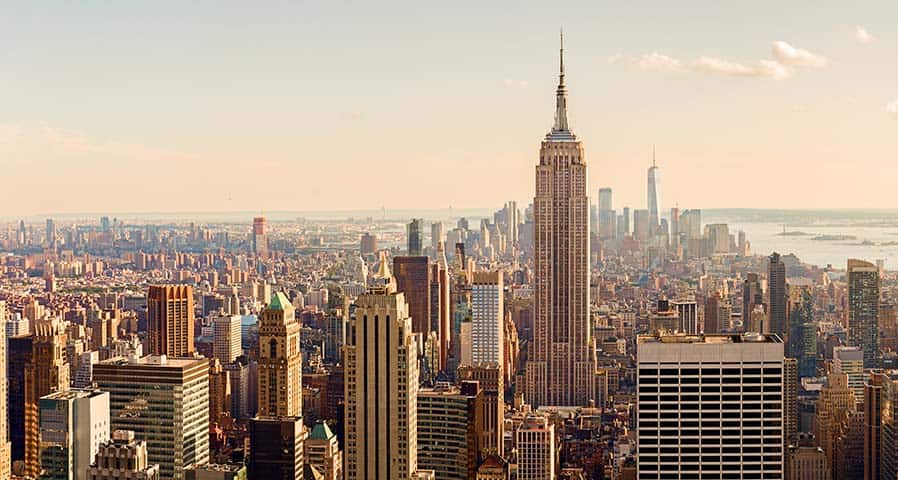
In New York City, Local Law 97 (LL97) sets strict carbon-emission limits for large buildings, with financial penalties for noncompliance. Buildings over 25,000 square feet must now actively reduce emissions or face escalating fines. Across the state, electrification goals and grid decarbonization efforts are pushing similar trends.
This shift is why National Grid has restructured many of its programs. Incentives are now heavily focused on:
- Heat pumps and electrified HVAC systems
- Building envelope improvements
- Whole-building energy reduction strategies
How Do Weatherization Incentives Reduce Compliance Risk?
Weatherization is one of the fastest ways to lower energy use and improve building performance without replacing major systems.
According to National Grid program materials, heating and cooling account for a large share of energy spent, making envelope upgrades a high-impact starting point.
Weatherization Incentives Overview
|
Measure |
Electric Incentive |
Gas Incentive |
|
Window Replacement |
Up to $8/sq ft |
Up to $8/sq ft |
|
Roof/Wall Insulation |
Up to $4/sq ft |
Up to $2/sq ft |
|
Window Inserts |
Up to $3.50/sq ft |
Up to $3.50/sq ft |
|
Door Replacement |
Up to $32/sq ft |
— |
|
Air Sealing |
Up to $6/linear ft |
Up to $6/linear ft |
|
Pipe Insulation |
Up to $6/linear ft |
Up to $4/therm |
|
Air Curtains |
$3,000/unit |
$3,000/unit |
|
Radiant Barriers |
— |
$20/unit |
For larger projects, custom incentives can cover:
- Up to 70% of the total project costs
- Performance-based payouts tied to energy savings
- Maximum caps reaching $150,000
Why This Matters for LL97
Improving insulation, sealing air leaks, and upgrading windows reduces heating directly lowering emissions tied to fossil fuel use. For many buildings, this is the first step in avoiding LL97 penalties before transitioning to full electrification.
Why Are Heat Pump Incentives Getting So Much Funding?
New York’s climate roadmap is centered on electrification, with heat pumps at its core.
Unlike traditional systems, heat pumps move heat rather than generate it making them significantly more efficient. National Grid data shows they can operate at three to four times the efficiency of conventional HVAC systems.
Heat Pump Incentives
|
Equipment Type |
Incentive |
|
Cold Climate Air Source Heat Pumps |
$1,200–$1,600 per 10,000 BTU/hr |
|
Ground Source Heat Pumps |
$2,500 per 10,000 BTU/hr |
|
Heat Pump Water Heaters |
$1,000 per unit |
|
Ground Source Water Heating |
$700–$900 per unit |
Where Businesses See the Biggest Impact
- Office buildings are reducing exposure to LL97 emissions.
- Multifamily properties lowering tenant energy costs
- Industrial facilities are improving process efficiency.
Custom Incentive Opportunities
- $80–$100 per MMBtu annual energy savings
- Additional funding for projects combining heat pumps with envelope improvements
- Higher incentives for full-building electrification projects
How Do Custom Incentives Reward Deeper Energy Savings?
Prescriptive rebates cover standard upgrades, but the largest incentives come from custom projects.
These are structured around measured energy savings rather than fixed rebate amounts. That means:
- Larger, more comprehensive projects unlock more funding.
- Combining HVAC, controls, and envelope upgrades increases payouts.
- Energy modeling becomes a key part of project planning.
For example, a building that combines heat pumps with insulation improvements may qualify for higher-tier incentives due to reduced heating load and overall energy consumption.
What Mistakes Do Businesses Make with Incentives?
Most businesses leave money on the table and not because incentives are unavailable, but because they are approached too late.
Common issues include:
- Starting installation before submitting applications
- Treating rebates as an afterthought instead of part of project design
- Missing custom incentive opportunities by only pursuing prescriptive rebates
- Not aligning upgrades with compliance requirements, such as LL97.
Capture More Value from National Grid Rebates in New York
National Grid’s New York rebate programs offer strong incentives for lighting, HVAC, and energy efficiency upgrades, but navigating eligibility, pre-approvals, and documentation requirements is key to securing the full benefit.
Review Our Process to see how Incentive Rebate360 helps organizations identify qualifying projects, manage utility requirements, and maximize rebate recovery from start to finish.
When you’re ready, schedule a call with our rebate experts to review your projects and ensure you’re taking full advantage of available National Grid incentives in New York.
👉 Review Our Rebate Recovery Process
👉 Schedule a Call with Our Rebate Experts
How Do These Incentives Impact ROI?
National Grid incentives are designed to change project economics fundamentally.
- Upfront costs drop significantly with rebates applied.
- Payback periods shrink, often by several years.
- Operating expenses decrease through lower energy consumption.
- Long-term compliance costs are reduced or avoided entirely.
Frequently Asked Questions
What is Local Law 97, and why does it matter?
Local Law 97 is a New York City regulation that sets carbon emission limits for large buildings. Non-compliance results in financial penalties, making energy upgrades a priority.
What is the difference between prescriptive and custom incentives?
Prescriptive incentives offer fixed rebate amounts, while custom incentives are based on calculated energy savings and are typically higher for complex projects.
Are LED lighting rebates still available in New York?
In many areas, lighting incentives have been reduced or phased out as programs prioritize electrification and HVAC upgrades.
Can incentives be combined with other programs?
Yes. Many projects stack National Grid incentives with state programs like NYS Clean Heat or federal tax credits to maximize funding.
Do I need to apply before starting a project?
Yes. Most programs require pre-approval before installation begins. Missing this step can disqualify the project.
Are there higher incentives for certain buildings or locations?
Yes. Disadvantaged communities and multifamily properties may qualify for enhanced incentives or additional funding.
Turn Incentives into a Strategic Advantage
National Grid incentives in New York are no longer just optional savings opportunities—they are a critical tool for managing energy costs, reducing emissions, and staying compliant with evolving regulations like Local Law 97.
Incentive Rebates360 helps businesses take a strategic approach by identifying every available incentive, aligning projects with compliance requirements, and managing the entire rebate process from start to finish. If you are planning an upgrade, now is the time to act and secure the maximum funding available. Contact us today by calling 480-653-8180, emailing [email protected], or scheduling a call that fits your needs by clicking the button below!


0 Comments